
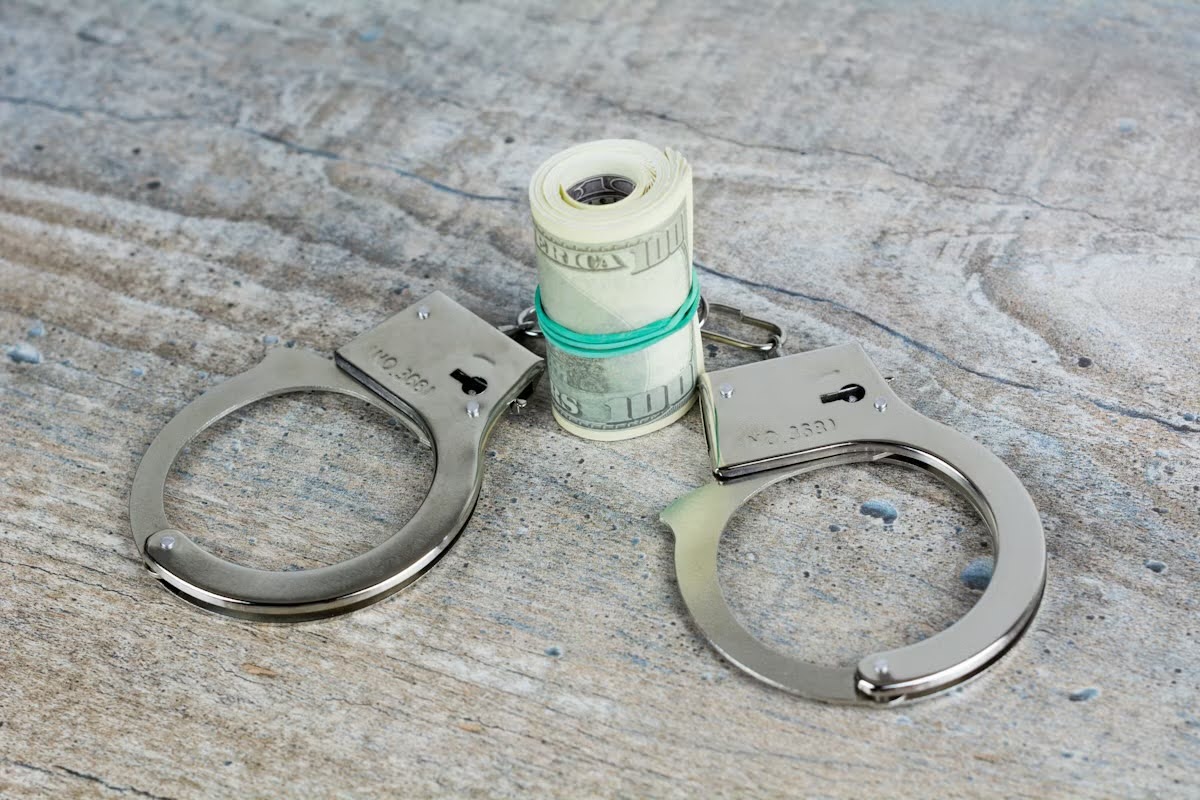
Facing an arrest is already stressful, but the situation becomes even more overwhelming when you don’t have enough money to pay for bail. Many people assume that freedom before trial is out of reach if they cannot afford the full bail amount, but that isn’t true. With the right approach and proper resources, you can secure release without draining your finances.
Here are practical strategies to help you or a loved one get bail, even when money is tight.
1. Understand How Bail Works Before Making Any Decisions
The first step is gaining a clear understanding of how bail actually functions. Bail is not a fine but a financial guarantee ensuring the defendant returns for their court dates. Judges set bail amounts based on factors like the nature of the offense, past record, and risk of flight.
Many people panic when they hear the bail amount, not realising that there are options beyond paying the full sum. When you understand the system, you can avoid misinformation and make decisions that best suit your financial situation.
2. Use Bail Bonds to Make Release Affordable
When you’re low on funds, turning to bail bonds is the most effective and accessible solution. Instead of paying the full bail amount—often thousands of dollars—you pay a small percentage to a licensed bail bondsman, usually around 10%.
The bail bond company then posts the full bail on your behalf, allowing you to secure release at a much lower cost. This makes it possible for individuals with limited savings or financial struggles to regain freedom without borrowing huge amounts.
3. Ask the Court for a Bail Reduction Hearing
If the judge set a bail amount that is clearly beyond your means, you have the right to request a bail reduction hearing. During this hearing, your attorney can argue that the current bail is excessive and ask for a lower, more affordable amount. Factors such as employment, community ties, and lack of criminal history help support your case.
Courts often reconsider high bail amounts when a defendant proves they are not a flight risk. Even a modest reduction can make a major difference, especially when combined with bail bond services.
4. Provide Collateral or Payment Plans When Required
If cash is tight, collateral—such as a vehicle, property, or valuable assets—can sometimes be used to secure release. Many bail bond companies also offer payment plans with flexible terms, allowing you to pay the required fees over time instead of all at once.
These arrangements make financial burdens more manageable and prevent you from having to sacrifice essential expenses like rent, utilities, or groceries to secure release.
5. Seek Assistance from Family, Friends, or Community Support
When finances are limited, don’t hesitate to reach out to trusted friends or family members who may be able to help. Some community organisations and legal aid groups also provide guidance or limited financial support for those who qualify.
Even small contributions from multiple people can come together to help you meet bail conditions and secure your freedom quickly.
Conclusion
Struggling with money doesn’t mean you’re out of options when it comes to securing bail. By understanding the process, using bonds, requesting reductions, considering collateral, and seeking support, you can navigate the system effectively and regain your freedom without overwhelming financial strain.